
Cloud9 Casino Game Selection and Software Providers
A casino lobby is not a random collection of titles; it is a structured archive built on the output of specific software studios. The variety you see—slots, table games, live dealer feeds—depends entirely on which providers have integrated their platforms with the operator. NetEnt, Playtech and Evolution are common names in this ecosystem because they supply the underlying mathematics and graphics for thousands of individual games. Understanding who made a game helps you gauge its potential features and fairness standards.
Before selecting a title, check if the site offers filtering by provider or game type. This distinction matters: a ‘high volatility’ slot from one studio behaves differently from another’s ‘megaways’ mechanic, even if both appear under the same category label. Recognising the developer allows you to apply known preferences instead of guessing based on artwork alone.
Understanding the Lobby Structure and Game Categories
Slots and table games form the structural backbone of most casino lobbies
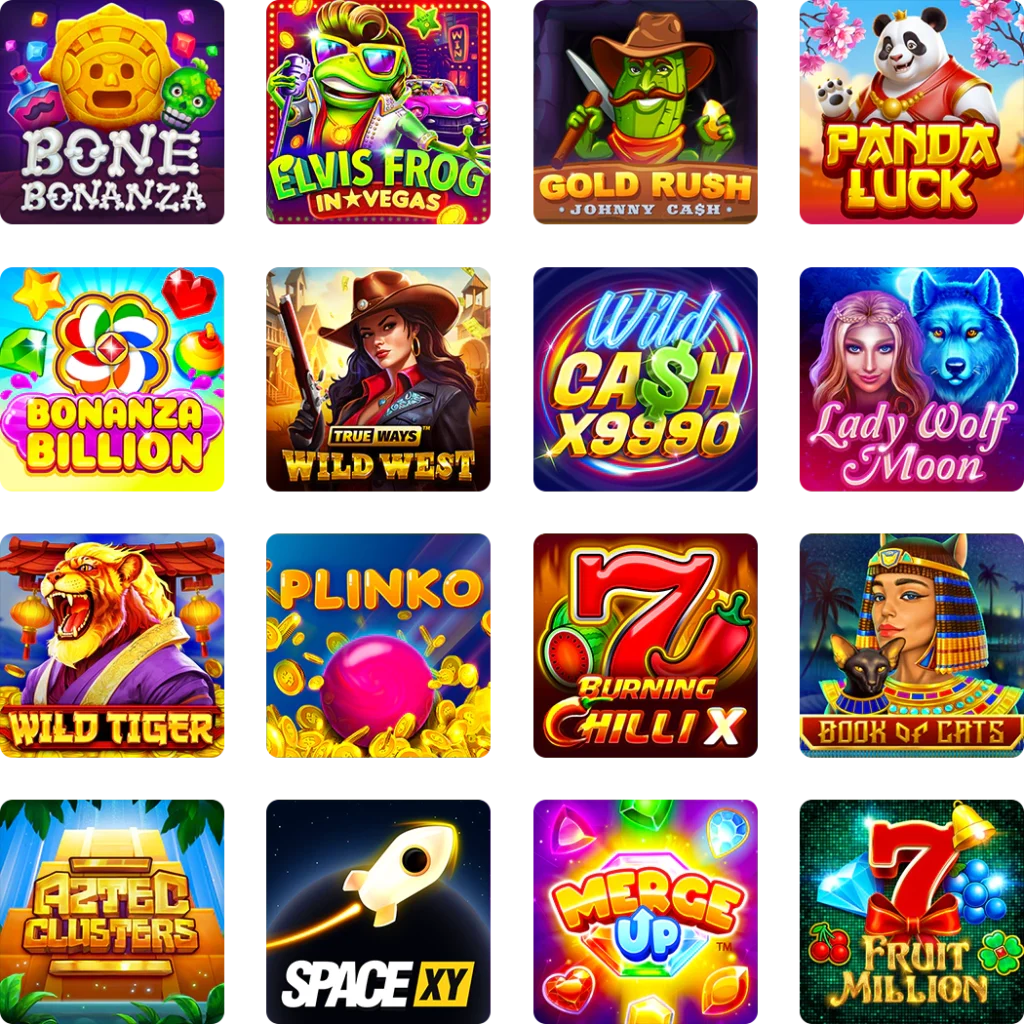
The Cloud9 casino lobby typically organises its content into broad categories that reflect how players engage with different mechanics. Slots dominate these menus by sheer volume, often occupying separate tabs for classic reels, video slots with complex bonus features, and progressive jackpots where prize pools accumulate across multiple sessions. Table games sit alongside them in a distinct section, grouping roulette, blackjack, baccarat and poker variants under one roof. This separation exists because the two formats demand fundamentally different interactions: slots rely on spinning reels and automated outcomes, while table games require strategic decisions or specific betting patterns that influence the round’s progression.
Players navigate these categories using visual cues designed to reduce decision fatigue. A slot tab might display hundreds of thumbnails arranged in grids, prioritising popularity or newness. The table game section, by contrast, usually presents fewer options but includes clearer labels indicating rule variations, such as European versus American roulette. Understanding this division helps set realistic expectations about choice density. Slot libraries expand rapidly through provider updates, whereas table game menus change slowly because core rules remain stable over years.
Live dealer sections operate independently from digital game repositories
Live dealer games occupy their own dedicated space within the lobby structure, physically separated from standard table games despite sharing similar rule sets. This distinction matters because live dealer rounds stream real human croupiers from studio environments, introducing latency variables and social elements absent from purely digital counterparts. The interface here often mirrors television production layouts, with multiple camera angles and chat functions integrated directly into the game frame.
Accessing these tables requires recognising that they function on entirely different technical infrastructure than RNG-based games. Providers like Evolution Gaming supply the streaming technology and studio operations, meaning availability depends on bandwidth stability and geographic licensing restrictions instead of software compatibility alone. Players switching between digital blackjack and live blackjack encounter noticeable differences in pacing; live rounds follow physical dealing speeds, while digital versions execute instantly. The lobby design reflects this operational reality by keeping the sections discrete, preventing confusion about which format offers immediate play versus scheduled seating.
Category filters reveal underlying provider relationships and game logic
Filtering tools within the lobby expose how games relate to their developers, offering insight into consistency and feature depth. Sorting by type—such as high volatility or Megaways mechanics—narrows thousands of titles down to manageable selections based on mathematical profiles instead of aesthetics. These filters work because providers embed specific structural characteristics into their software architectures, allowing platforms to tag each title accordingly.
Wild card city casino online | land-based only
Recognising provider names during navigation assists in identifying recurring gameplay loops. A NetEnt slot shares certain animation styles and bonus trigger conditions across its library, creating predictable user experiences even when themes differ drastically. The same applies to Playtech’s branded movie adaptations, which tend to integrate narrative cutscenes more heavily than generic alternatives. By observing which providers appear frequently in filtered results, players gain context about why certain mechanics feel familiar, linking individual game traits back to broader development philosophies without needing to consult external documentation.
cloud9 casino: operator details
Which credentials apply to Cloud9 Casino in this market?
| Brand | Details |
|---|---|
| cloud9 casino | Library refreshes via third-party providers, subject to regional licensing changes. |
Cloud9 Casino operates a game catalogue driven by third-party aggregators instead of exclusive proprietary titles. This architecture means the library refreshes automatically as providers release new slots and table games, so players do not need to wait for manual updates from the operator. The immediate practical effect is that availability depends on regional licensing agreements with each provider; if a specific studio restricts access in the UK market, those titles vanish from the interface without warning. Search filters remain the only reliable way to locate a preferred mechanic or theme when the total count fluctuates.
The Role of Reputable Software Developers in Fair Play
Certification and Random Number Generators
A reputable software developer does not simply create entertaining graphics; they build the mathematical engine that determines outcomes. This engine relies on a Random Number Generator (RNG), an algorithm designed to produce sequences of numbers with no discernible pattern. Players rely heavily on the soundness of this procedural mechanism. If the RNG is flawed or manipulated, the stated Return to Player (RTP) percentage becomes meaningless. Independent testing laboratories audit these algorithms to verify that each spin, card deal, or dice roll remains statistically random over millions of iterations.
The certification marks displayed on game screens are not decorative. They indicate that specific studios have submitted their code for external review. Without such verification, there is no objective way to confirm that a slot machine pays out according to its advertised theoretical return. A game might display a 96% RTP, but if the underlying logic restricts winning combinations beyond what the mathematics allow, the actual experience diverges sharply from the promise. Reputable providers maintain strict version control, ensuring that updates do not alter payout structures without transparent disclosure.
Studio Reputation and Accountability
Major studios operate under significant reputational risk. Their revenue depends on operators trusting their platforms and players believing in the fairness of the mechanics. This economic incentive drives rigorous internal quality assurance protocols. When a well-known provider releases a title, it undergoes extensive simulation testing before deployment. These simulations run through billions of game rounds to check for anomalies, such as unexpected streaks or deviations from expected volatility profiles.
Smaller, unverified developers may lack the resources for such exhaustive testing. In some cases, games are distributed without third-party oversight. The absence of a recognised studio name often correlates with a higher likelihood of opaque mechanics. Players can distinguish between titles by checking the provider information typically located in the game’s help menu or footer. Knowing who built the game provides a layer of accountability. If a dispute arises regarding a malfunctioning feature, established providers usually offer clear technical support channels, whereas unknown entities may be unreachable.
Volatility and Predictable Outcomes
Fair play also involves understanding how variance operates within certified systems. Developers define volatility levels—low, medium, or high—to indicate how frequently and how significantly payouts occur. Low-volatility games deliver smaller wins more often, maintaining bankroll stability. High-volatility titles offer larger potential rewards but with extended periods of inactivity. Certified providers adhere strictly to these mathematical models. A high-volatility slot should not suddenly behave like a low-volatility one due to hidden adjustments.
The consistency of these behavioural patterns allows players to make informed choices based on their risk tolerance. If a game’s performance contradicts its declared volatility, it suggests a failure in the implementation of the RNG or the paytable. Reputable software ensures that the statistical distribution of results matches the published data. This predictability is essential for long-term engagement. It transforms gambling from a chaotic guesswork exercise into a managed activity where probabilities are known quantities. Trust in the platform rests on this alignment between advertised specifications and actual gameplay behaviour.
Filtering Games by Provider or Type
-
Start with the theme filter to reduce cognitive load. Cloud9 Casino’s interface allows users to sort games by visual style, such as ancient Egypt, mythology or fruit symbols. This method works well for players who know what aesthetic they enjoy but cannot recall a specific title name. Selecting a theme instantly removes dozens of unrelated games. However, do not rely solely on visuals. Two games with identical themes can have vastly different mathematics. One might be a simple three-reel slot with low variance, while another is a complex five-reel video slot with cascading wins. After choosing a theme, apply a secondary filter for volatility or paylines to ensure the mechanics match your expectations.
-
Combine device compatibility with provider selection. Some developers optimise certain titles for mobile screens, while others retain desktop-only layouts. Filtering by "Mobile Friendly" alongside a preferred provider ensures you avoid games that feel cramped on smaller devices. This distinction matters for touch controls. A game designed for mouse clicks may have tiny buttons that are difficult to tap accurately on a phone. By cross-referencing mobile optimisation with provider reputation, you secure a smoother experience. Players often overlook this step, leading to frustration mid-session. Checking this combination before playing saves time spent adjusting settings or abandoning a poorly adapted game.
-
Exclude providers based on certification visibility. Reputable studios display RNG (Random Number Generator) certifications prominently in their game descriptions. If a provider does not list testing agencies like eCOGRA or iTech Labs within the lobby details, proceed with caution. Filtering out uncertified titles ensures you play games where fairness is independently verified. This is not a guarantee of outcomes, but it confirms the mathematical model has been audited. Users should prioritise certified providers over those relying on self-reported fairness claims.
Common Questions About Game Availability and Quality
Can I filter by specific game mechanics?
Most lobbies offer tags for features like Megaways or Cluster Pays. These filters help narrow choices without browsing every title individually.
Why do some slots show low Return to Player figures?
RTP is a theoretical long-term average, not a guarantee for single sessions. Variance dictates short-term outcomes more heavily than RTP percentage. High-volatility titles may return less frequently but with larger potential payouts.
Does Cloud9 Casino verify software certifications?
The site relies on providers holding active licences from bodies like the UK Gambling Commission. A provider’s status determines whether games are audited for Random Number Generator integrity. Look for the provider’s name in the game footer; reputable studios display their licence details there.
Responsible Gaming Practices and Limits
Setting a deposit limit is the most effective way to manage risk before gameplay begins. The UK Gambling Commission requires operators like Cloud9 Casino to provide tools for self-control, including reality checks and time-out options. Players can restrict access through GAMSTOP if they need a longer break from gambling activities. These features function independently of game software or provider certifications. Understanding these controls helps maintain a balanced approach. If spending becomes difficult to track, contacting GamCare or the National Gambling Helpline at 0808 8020 133 offers confidential support. Never chase losses in an attempt to recover funds quickly.
Voodoo wins casino registration identity verification
